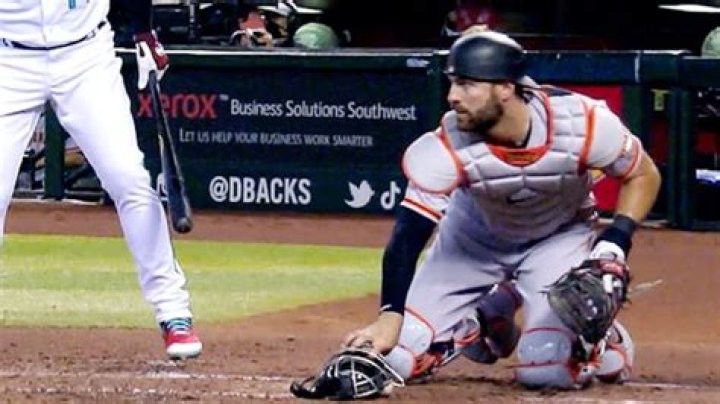
In the world of baseball, rules and regulations govern every aspect of the game, from pitching to fielding. Among these rules exists a lesser-known infraction known as a "catcher's balk." While most fans are familiar with the concept of a pitcher’s balk, the catcher's balk is an often-misunderstood aspect that can impact the dynamics of a game. This article delves into the details of what a catcher's balk is, how it occurs, and its implications on the game.
The catcher's balk can be a source of confusion for many, as it is not as commonly discussed as other violations. However, understanding this rule is essential for both players and fans alike, as it can lead to significant consequences during a game. Not only does it highlight the importance of proper technique in catching, but it also emphasizes the catcher's role in the flow of the game. In the following sections, we will explore the various facets of a catcher's balk, including examples, distinctions from other types of balks, and its overall impact on gameplay.
By the end of this article, you will have a clear understanding of what a catcher's balk is and its relevance to baseball. Equipped with this knowledge, you will be better prepared to engage with the game and appreciate the nuances that make baseball such a beloved sport.
What Exactly Is a Catcher's Balk?
A catcher's balk is a rare and specific infraction that occurs when the catcher fails to properly execute the responsibilities associated with their position. Unlike a pitcher's balk, which usually involves illegal motions or actions while on the mound, a catcher's balk typically arises from the catcher's actions or lack of actions when the pitcher is delivering the ball. This can include failing to remain in the proper position or not making an effort to catch the ball when it is thrown by the pitcher.
How Does a Catcher's Balk Occur?
A catcher's balk can occur in several ways, including:
- Failing to give a signal to the pitcher when a play is being executed.
- Moving out of position before the pitch is delivered.
- Not maintaining proper communication with the pitcher.
- Interfering with the play by failing to catch or block a pitch effectively.
These actions can lead to confusion among players and may provide an unfair advantage to the opposing team, resulting in the umpire calling a catcher's balk.
What Are the Consequences of a Catcher's Balk?
The consequences of a catcher's balk can vary depending on the situation in which it occurs. Generally, when a catcher is called for a balk, it can result in:
- Advancement of base runners: Base runners may be allowed to advance one base due to the infraction.
- Potential changes in the game’s momentum: A catcher's balk can shift the dynamics, giving the opposing team a strategic advantage.
- Possible ejection or reprimand: In severe cases, a catcher may face disciplinary action from the umpire.
How Does a Catcher's Balk Differ from a Pitcher's Balk?
While both the catcher's balk and the pitcher's balk involve illegal actions during gameplay, they differ significantly in their execution and consequences. Here are some key differences:
- Responsibility: The pitcher is responsible for their actions on the mound, while the catcher must maintain their position and communicate effectively.
- Types of Infractions: Pitcher's balks often involve illegal movements or motions, while catcher's balks are generally related to positioning and communication.
- Impact on the Game: Both infractions can lead to advancements for base runners, but the catcher's balk may also affect the pitcher's ability to perform effectively.
Can a Umpire Call a Catcher's Balk?
Yes, umpires have the authority to call a catcher's balk if they observe any actions that violate the rules. Umpires are trained to recognize these infractions and assess the situation accordingly. Their judgment plays a crucial role in maintaining the integrity of the game and ensuring that players adhere to the rules.
What Should Catchers Do to Avoid a Balk?
To prevent a catcher's balk from occurring, catchers should focus on the following strategies:
- Maintain proper communication with the pitcher at all times.
- Stay in the correct position and be prepared to catch the pitch.
- Practice proper techniques for signaling and receiving pitches.
- Be aware of game situations and adjust accordingly.
Are There Any Famous Instances of a Catcher's Balk?
While catcher's balks are relatively rare compared to other baseball violations, there have been notable instances throughout the history of the sport. These moments have sparked debates among fans and players, highlighting the intricacies of the rule. Some instances have even led to memorable game-changing moments, showcasing the importance of understanding this unique aspect of the game.
Conclusion: Why Understanding a Catcher's Balk Matters?
In conclusion, the catcher's balk is an essential aspect of baseball that often goes unnoticed. By understanding what a catcher's balk is and how it affects the game, players and fans can gain a deeper appreciation for the intricacies of baseball. The catcher's role is vital to the game, and recognizing the potential for a balk can enhance one’s knowledge and enjoyment of this beloved sport. With this newfound understanding, you can engage more meaningfully with the thrilling world of baseball.
Unveiling The Allure Of La Pompis: A Cultural Phenomenon
Discovering The World Of Pkio: An Insightful Guide
Unlocking The Secrets Of ICivics Answer Key For Effective Learning