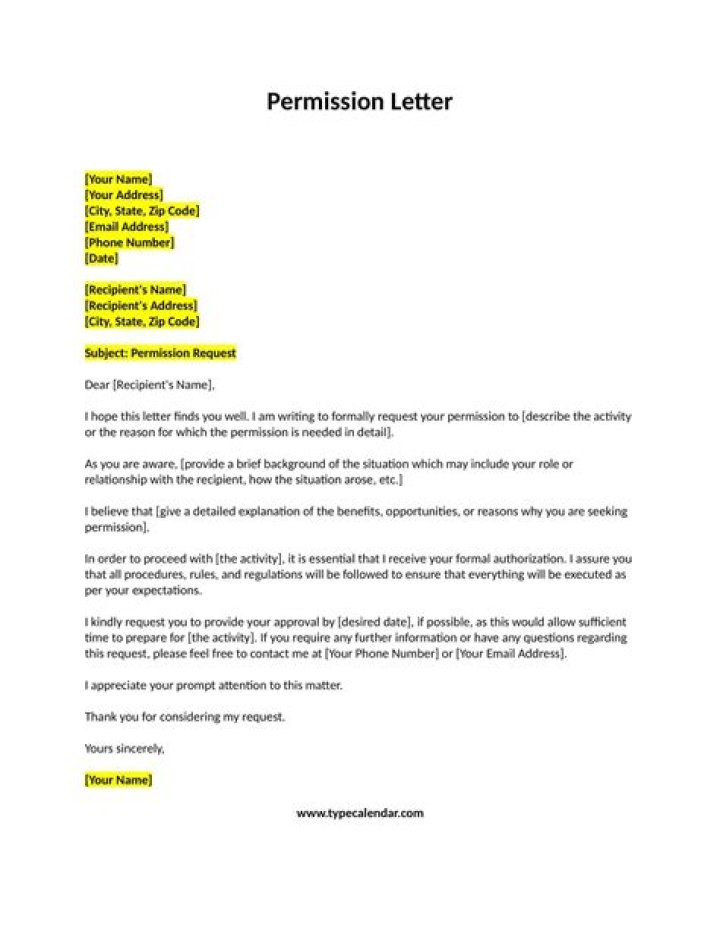
In today's interconnected world, the concept of "permission to initiate contact" has become increasingly significant, especially in professional and personal relationships. This notion revolves around the mutual respect for boundaries, ensuring that communication is not only welcomed but also appropriate. As we navigate through various interactions, understanding when and how to ask for permission to reach out can make all the difference in establishing rapport and trust.
Whether it’s in a professional setting, where initiating contact can lead to networking opportunities, or in personal relationships, where boundaries are paramount, having clear consent can enhance the quality of interactions. This article delves into the importance of seeking permission to initiate contact, the nuances involved, and practical approaches for effective communication.
Moreover, as society evolves, so do the norms surrounding communication. With the rise of digital communication channels, the dynamics of asking for permission have transformed, making it essential to stay informed and considerate. Let’s explore this concept further and understand its implications in various contexts.
What is Permission to Initiate Contact?
The phrase "permission to initiate contact" refers to the act of seeking consent before engaging someone in conversation, whether through email, phone calls, or face-to-face interactions. It emphasizes the importance of mutual agreement and respect for personal space and boundaries. In many instances, particularly in professional settings, taking this step can prevent misunderstandings and foster a more comfortable environment for communication.
Why is Seeking Permission Important?
Understanding the importance of asking for permission before initiating contact can lead to several benefits:
- Respect for Boundaries: It demonstrates consideration for the other person's time and space.
- Enhanced Communication: By establishing consent, conversations can be more open and productive.
- Building Trust: It creates a foundation of trust, essential for any relationship.
- Reducing Miscommunication: Clear agreements can help avoid assumptions and misinterpretations.
How to Ask for Permission to Initiate Contact?
There are several effective ways to ask for permission, whether in a professional or personal context:
- Direct Approach: Politely ask if you can reach out to discuss a particular topic.
- Use of Technology: In digital communications, consider sending a brief message to ask if it's a good time to connect.
- Body Language: In face-to-face interactions, use open body language and facial expressions to signal your intentions.
Who Benefits from Permission to Initiate Contact?
Both parties involved in a conversation can benefit significantly from establishing permission to initiate contact. For the person reaching out, it provides clarity and direction, while the recipient feels respected and valued. This two-way communication fosters an environment where both individuals can express themselves freely and without hesitation.
Can Permission to Initiate Contact Vary by Context?
Yes, the context plays a crucial role in how permission to initiate contact is perceived and practiced. For instance:
- Professional Settings: In workplaces, following protocols and guidelines around communication is vital.
- Personal Relationships: Understanding personal boundaries is key to maintaining healthy relationships.
- Cultural Considerations: Different cultures have varying norms regarding communication and consent.
What Are the Consequences of Ignoring Permission?
Ignoring the need for permission can lead to several negative outcomes, including:
- Misunderstandings: Assumptions can lead to conflicts and confusion.
- Damaged Relationships: Disregarding boundaries can erode trust and respect.
- Professional Consequences: In the workplace, failing to ask for permission can result in disciplinary actions or reputational damage.
How to Cultivate a Culture of Permission in Communication?
To foster a culture of permission in communication, consider the following strategies:
- Lead by Example: Model respectful communication behaviors yourself.
- Encourage Openness: Create environments where people feel safe to express their preferences.
- Provide Training: Offer workshops on effective communication and the importance of consent.
Can Technology Help with Permission to Initiate Contact?
Absolutely! Modern technology offers various tools that can facilitate permission-based communication:
- Scheduling Apps: Tools like Calendly allow individuals to set up meetings with mutual consent.
- Messaging Platforms: Services like Slack or Microsoft Teams provide channels to ask for permission before initiating conversations.
- Email Etiquette: Using clear subject lines and polite language can signal that you are seeking permission to connect.
Conclusion: Embracing Permission to Initiate Contact
In conclusion, the concept of "permission to initiate contact" is a vital aspect of effective communication that should not be overlooked. By seeking consent, we not only show respect for others' boundaries but also enhance our own communication skills. Whether in professional or personal settings, understanding the nuances of this concept can lead to richer, more meaningful interactions.
As society continues to evolve, embracing the practice of asking for permission to initiate contact will undoubtedly pave the way for healthier relationships and more effective communication strategies. Let us commit to fostering an environment of respect and consent in all our interactions.
Dillon Latham: The Truth Behind The Leaked Controversy
Discovering The Artistic Journey Of Thali García
The Incredible Rise Of The Deez Nuts Guy: A Cultural Phenomenon