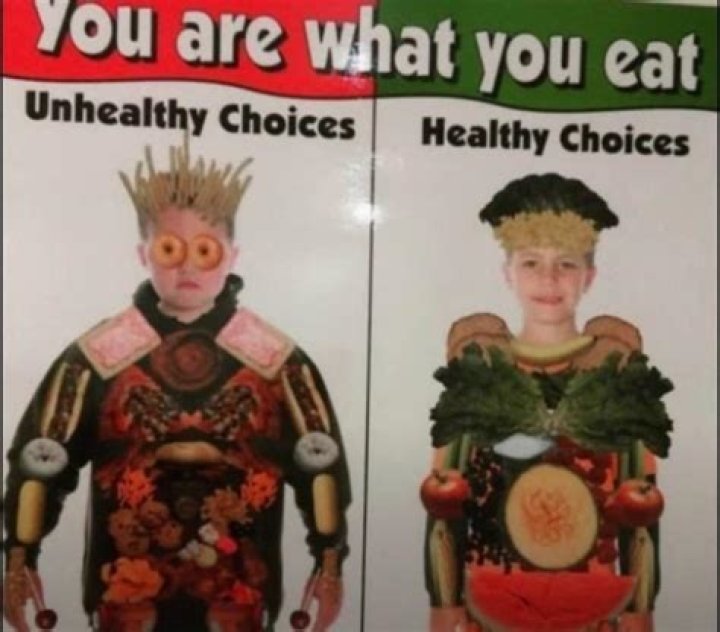
In a world where body image and food habits are constantly scrutinized, a new term has emerged that encapsulates a complex relationship between eating disorders and unhealthy eating patterns: junkorexia. This term refers to individuals who consume large amounts of junk food while simultaneously exhibiting symptoms associated with anorexia, such as a distorted body image and an unhealthy obsession with weight loss. As society becomes more aware of eating disorders, understanding the nuances of junkorexia becomes critical for both prevention and treatment.
Junkorexia is not just an eating disorder; it represents a paradoxical struggle where individuals might appear to be consuming an excessive amount of calories, yet they maintain an unhealthy obsession with their body image. This contradiction can lead to significant emotional and physical ramifications, making it essential to explore the psychological underpinnings and consequences of this condition. With the rise of social media and the prevalence of unhealthy food choices, the phenomenon of junkorexia is becoming increasingly prevalent among young adults and adolescents.
Moreover, the stigma surrounding eating disorders can complicate the journey towards seeking help. Individuals who identify as junkorexic often feel shame and guilt, making it challenging to discuss their struggles openly. By fostering awareness and understanding of junkorexia, we can create a supportive environment for those affected and promote healthier attitudes toward food and body image. In this article, we will delve deeper into the complexities of junkorexia, its effects, and potential paths to recovery.
What is the Definition of Junkorexia?
Junkorexia combines elements of anorexia nervosa and a diet high in junk food, leading to a cycle of binging on unhealthy foods while not maintaining a balanced diet. This condition highlights a unique psychological struggle where individuals may consume excessive amounts of high-calorie junk food but still feel inadequate about their body image. Understanding the underlying factors contributing to this disorder is essential for effective treatment.
What Are the Symptoms of Junkorexia?
- Distorted body image
- Obsessive calorie counting
- Frequent consumption of junk food
- Inconsistent eating patterns
- Feelings of guilt after eating
- Physical symptoms such as fatigue or dizziness
Who is Affected by Junkorexia?
Although junkorexia can affect individuals of all ages and backgrounds, it is particularly common among adolescents and young adults who are heavily influenced by societal pressures regarding body image. The increasing accessibility of junk food and the normalization of unhealthy eating habits can exacerbate this disorder. Additionally, those who struggle with other mental health issues, such as anxiety or depression, may be at a higher risk of developing junkorexia.
What Are the Long-Term Consequences of Junkorexia?
The long-term effects of junkorexia can be severe, impacting both physical and mental health. Individuals may experience nutritional deficiencies, weight fluctuations, and gastrointestinal problems due to their unhealthy eating patterns. Furthermore, the psychological toll of junkorexia can lead to heightened anxiety, depression, and a reduced quality of life. Early intervention is crucial to mitigate these consequences and promote recovery.
How Can Junkorexia Be Treated?
Treating junkorexia requires a comprehensive approach that addresses both the physical and psychological aspects of the disorder. Here are some strategies that may be effective:
- Therapy: Engaging in cognitive-behavioral therapy (CBT) can help individuals challenge their distorted beliefs about body image and food.
- Nutritional counseling: Working with a registered dietitian can aid in developing a balanced meal plan and rebuilding a healthy relationship with food.
- Support groups: Connecting with others who share similar experiences can provide emotional support and foster a sense of community.
- Mindfulness practices: Incorporating mindfulness and meditation can help individuals manage stress and develop healthier coping mechanisms.
What Role Does Society Play in Junkorexia?
Society's obsession with thinness and beauty ideals significantly contributes to the prevalence of junkorexia. The constant exposure to images of "ideal" bodies in media and social platforms can lead to unrealistic expectations and unhealthy eating habits. By promoting body positivity and encouraging balanced eating, we can help combat the societal pressures that contribute to disorders like junkorexia.
What is the Importance of Raising Awareness About Junkorexia?
Raising awareness about junkorexia is essential for several reasons. Firstly, it helps to educate individuals about the complexities of eating disorders, fostering empathy and understanding. Secondly, increased awareness can encourage those struggling with junkorexia to seek help. Lastly, it can lead to a cultural shift that prioritizes mental health and well-being over appearance, promoting healthier attitudes towards food and body image.
Can Junkorexia Be Prevented?
While not all cases of junkorexia can be prevented, there are proactive measures that individuals, families, and communities can take to reduce the risk:
- Encouraging open conversations about body image and self-esteem.
- Promoting balanced eating habits and a healthy relationship with food.
- Educating young people about the dangers of dieting and unhealthy eating patterns.
- Creating supportive environments that celebrate diverse body types.
Conclusion: Understanding and Addressing Junkorexia
Junkorexia is a complex and often misunderstood eating disorder that highlights the challenges of navigating food choices in today's society. By fostering awareness and understanding, we can support those affected and promote healthier attitudes toward food and body image. It is essential for individuals, families, and communities to work together in addressing the factors that contribute to junkorexia and creating a culture that prioritizes mental health and well-being.
Minecraft TikTok Cape Streamers: The New Wave Of Creative Expression
Discovering The Allure Of Ameliamcurv: A Journey Through Curves And Confidence
Baddies East Episode 2 Dailymotion: A Deep Dive Into The Drama