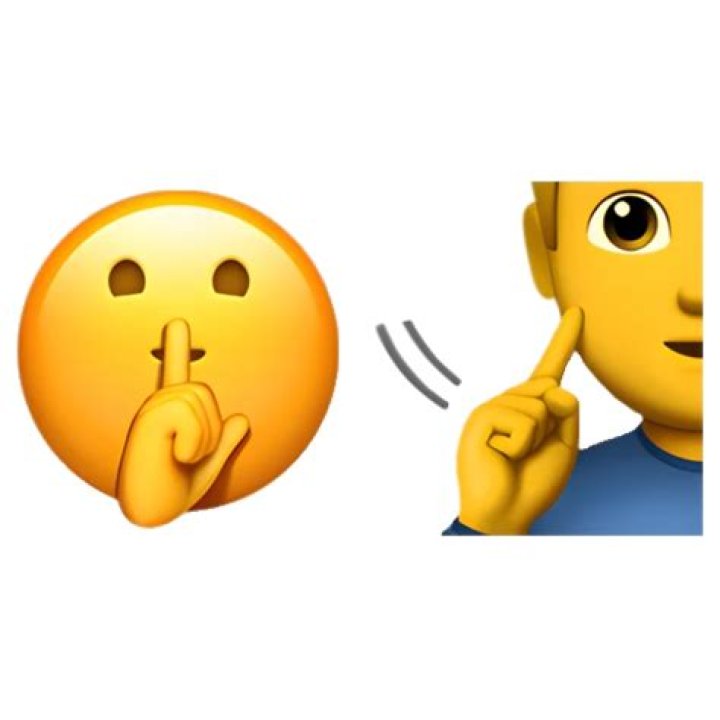
In recent years, the concept of mewing has gained immense popularity, especially among social media enthusiasts and health-conscious individuals. This innovative technique, which focuses on proper tongue posture, aims to enhance facial structure over time. With the rise of this trend, people have found creative ways to express their commitment to mewing, one of which is the emergence of the "mewing emoji." This unique emoji serves as a playful representation of the practice and has become a staple in the online mewing community.
The mewing emoji has sparked conversations about the benefits of proper tongue posture and its potential impact on overall facial aesthetics. As users incorporate this emoji into their posts, it not only helps to promote awareness of mewing but also fosters a sense of camaraderie among those who practice it. By creating a visual representation of their efforts, individuals are more likely to engage with others who share similar goals and aspirations for their facial appearance.
As we delve into the world of mewing and its accompanying emoji, we'll explore the various aspects of this fascinating trend. From understanding the origins of mewing to its potential benefits, we will address some common questions and concerns surrounding the practice. So, let's embark on this journey to uncover the significance of the mewing emoji and its role in the evolving landscape of facial aesthetics.
What is Mewing and How Did It Begin?
Mewing is a technique developed by Dr. John Mew and his son Dr. Mike Mew, both orthodontists based in the United Kingdom. It focuses on the correct positioning of the tongue against the roof of the mouth, which is believed to influence jaw alignment and facial structure over time. The practice gained prominence through online platforms, where users began sharing their experiences and results.
How Does Mewing Work?
The fundamental principle behind mewing lies in the concept of tongue posture. By resting the tongue against the roof of the mouth, individuals may promote better alignment of the jaw, leading to a more defined facial structure. This technique can help improve facial aesthetics by encouraging proper growth patterns in children and adolescents. However, adults can also benefit from mewing through consistent practice.
What Are the Benefits of Mewing?
Some potential benefits of mewing include:
- Improved jawline definition
- Enhanced facial symmetry
- Better overall oral posture
- Potential relief from jaw pain and tension
- Increased self-confidence and body image satisfaction
Who Uses the Mewing Emoji and Why?
The mewing emoji has become a popular symbol among those who engage in the practice of mewing. Social media users, particularly on platforms like Instagram and TikTok, often employ the emoji to signify their commitment to facial aesthetics and their journey toward achieving a more defined jawline. It has also become a way to connect with others who share similar interests and goals.
How to Incorporate the Mewing Emoji into Social Media Posts?
Integrating the mewing emoji into your social media posts is an excellent way to join the growing community of mewing enthusiasts. Here are some tips on how to use it effectively:
- Share your progress: Post updates on your mewing journey and include the emoji to show your dedication.
- Engage with others: Use the emoji in comments and discussions to connect with fellow mewing practitioners.
- Inspire others: Share tips, tricks, and resources related to mewing while adding the emoji for a fun touch.
Can the Mewing Emoji Be Used in Other Contexts?
While the mewing emoji primarily symbolizes the practice of mewing, it can also be used in a lighthearted manner to convey the idea of self-improvement or personal growth. In a broader context, it can represent any effort toward achieving a desired aesthetic or lifestyle change.
Personal Details and Bio Data of Dr. John Mew
| Name | Dr. John Mew |
|---|---|
| Profession | Orthodontist |
| Birth Date | January 16, 1928 |
| Nationality | British |
| Field of Study | Orthodontics |
| Known For | Mewing technique |
What Are the Criticisms of Mewing?
Despite the growing popularity of mewing, some critics argue that there is limited scientific evidence to support its efficacy. Skeptics point out that while proper tongue posture can be beneficial, it may not lead to significant changes in adults whose facial structures are already fully developed. Additionally, some medical professionals caution against relying solely on mewing for aesthetic improvements, emphasizing the importance of a holistic approach to dental and facial health.
Is Mewing Suitable for Everyone?
Mewing can be practiced by individuals of all ages; however, its effectiveness may vary depending on factors such as age, genetics, and existing dental conditions. Children and adolescents may experience more noticeable changes due to ongoing facial growth, while adults may see subtler improvements. It’s essential to consult with a qualified orthodontist or dental professional before starting any new practices related to oral health.
Conclusion: The Growing Influence of the Mewing Emoji
The emergence of the mewing emoji highlights the growing interest in facial aesthetics and the desire for self-improvement among individuals. By promoting awareness of mewing and encouraging community engagement, this playful symbol has carved a niche for itself in the ever-evolving landscape of social media. As more people explore the benefits of mewing, the mewing emoji will likely continue to serve as a beacon for those on their journey toward enhanced facial aesthetics.
Discovering The Enigma Of Effycutiexx
Bunni Emmie: The Rising Star In The World Of Content Creation
Unveiling The Life And Legacy Of Brianna Anderson