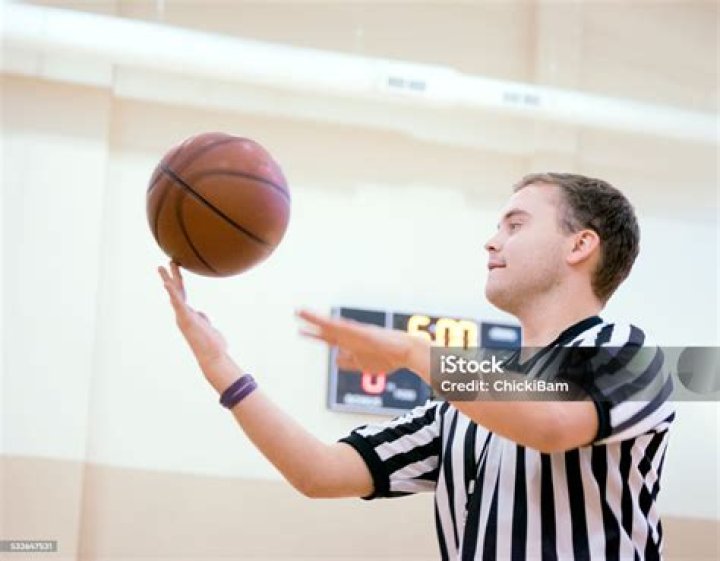
In the world of sports, referees play an indispensable role, ensuring fair play and maintaining the game's integrity. Their responsibilities go beyond merely blowing whistles or making calls; they must exhibit agility, focus, and a keen understanding of the game. One of the most intriguing aspects of a referee's duties is the skillful act of catching the ball during fast-paced moments on the field. This article delves into the significance of the referee catching the ball, exploring the techniques, challenges, and why it's an essential part of officiating.
Referees often find themselves in the center of action, surrounded by players who are intensely focused on the game. The ability to catch the ball can be critical, as it helps maintain the flow of play and prevents interruptions. This article will examine various factors that contribute to a referee's effectiveness, including their training, physical fitness, and mental acuity. Additionally, we will highlight the moments when a referee catching the ball has made headlines, showcasing the importance of this skill in real-world scenarios.
As we journey through the world of officiating, we will answer common questions about the techniques employed by referees, the challenges they face, and how they prepare for the unexpected moments that require quick reflexes. Get ready to discover a side of sports officiating that often goes unnoticed but is vital for the game's success.
What Techniques Do Referees Use for Catching the Ball?
Referees must utilize a combination of techniques to effectively catch the ball. These include:
- Hand Positioning: Proper hand placement is crucial for successfully catching the ball, ensuring that the hands are ready to absorb the impact.
- Focus and Anticipation: Referees must remain alert and anticipate the ball's trajectory, allowing them to position themselves correctly.
- Body Movement: Quick lateral movements are essential, as referees often need to adjust their position to catch the ball without obstructing play.
Why is Referee Catching Ball Important in Sports?
The act of a referee catching the ball holds significant importance for several reasons:
- Maintaining Game Flow: A successful catch prevents unnecessary stoppages, allowing the game to progress smoothly.
- Player Safety: Catching the ball can prevent it from hitting an unsuspecting referee or player, thereby reducing the risk of injury.
- Demonstrating Control: When a referee catches the ball confidently, it reinforces their authority and presence on the field.
What Challenges Do Referees Face When Catching the Ball?
Despite their training, referees encounter various challenges during the game:
- Unexpected Trajectories: The ball can come from unpredictable angles, making it challenging to catch.
- Player Interference: Players may inadvertently obstruct the referee's view, complicating the catch.
- Pressure of the Moment: High-pressure situations can affect a referee's focus and reaction times.
Who are the Most Notable Referees in the Game?
Throughout sports history, certain referees have gained recognition not only for their officiating skills but also for their memorable moments on the field. One such figure is Pierluigi Collina, known for his distinctive appearance and commanding presence.
Biography of Pierluigi Collina
| Detail | Information |
|---|---|
| Name | Pierluigi Collina |
| Date of Birth | February 13, 1960 |
| Nationality | Italian |
| Years Active | 1988 - 2005 |
| Notable Matches | 2002 FIFA World Cup Final |
What Makes Pierluigi Collina Stand Out?
Pierluigi Collina is often regarded as one of the greatest referees in the history of football. His unique features, including his bald head and piercing gaze, made him instantly recognizable. Collina's exceptional ability to manage games and communicate effectively with players set a standard for referees worldwide. His memorable moments, including a famous incident of a referee catching the ball during a match, have solidified his legacy.
How Do Referees Train for Catching the Ball?
Referees undergo rigorous training to enhance their skills, including catching the ball. Their training programs typically involve:
- Physical Conditioning: Building strength and agility to react quickly during games.
- Simulation Drills: Practicing catching balls in various game-like scenarios to improve reflexes.
- Mental Preparation: Developing focus and decision-making skills under pressure.
What Role Does Technology Play in Refereeing Today?
Technology has transformed the way referees officiate games, with tools such as Video Assistant Referee (VAR) aiding in decision-making. However, the fundamental art of a referee catching the ball remains a skill that cannot be replaced by technology. It emphasizes the importance of human presence and decision-making on the field.
Can Referees Catch the Ball in All Sports?
While the act of catching the ball is common in various sports, the techniques and importance can vary greatly. For instance:
- Football: A referee catching the ball prevents stoppages and maintains game flow.
- Basketball: Referees often need to catch the ball during out-of-bounds situations.
- Baseball: Umpires may catch foul balls, ensuring safety and continuity.
In conclusion, the act of a referee catching the ball is a skill that contributes significantly to the dynamics of sports officiating. It requires a blend of physical prowess, mental acuity, and extensive training, underscoring the critical role referees play in maintaining the integrity of the game. As we appreciate the efforts of referees, let us acknowledge the art of catching the ball as a testament to their dedication and professionalism in sports.
Memories That Last: And I Can Still See It All In My Mind
Fabuloso And Bleach: A Dangerous Mix Or Safe Solution?
Aaliyah's Iconic Style: The Tommy Hilfiger Overalls