The world of online identities is vast and multifaceted, often intersecting with various cultural expressions and societal norms. Among the most talked-about concepts in recent times are BBC (Big Black Cock) and femboy, which represent two distinct yet intriguing facets of the LGBTQ+ community. As conversations around gender, sexuality, and identity evolve, it's essential to delve into what these terms mean and how they manifest in contemporary culture.
Both BBC and femboy offer unique perspectives on masculinity and sexuality, attracting attention from different demographics and communities. The BBC phenomenon often emphasizes hyper-masculine traits, while femboys challenge traditional gender norms by blending masculinity with femininity. This article aims to explore these contrasting identities, their cultural implications, and the dialogues they inspire in the modern world.
As we navigate through the realms of BBC vs femboy, we will uncover the intricacies of their meanings, their appeal, and the way they reflect broader societal changes regarding gender and sexuality. So, what are the differences, and how do these identities coexist in a vibrant socio-cultural landscape? Let's dive deeper into the discussion.
What is BBC and its Cultural Significance?
The term BBC has gained traction in various contexts, particularly in adult entertainment and online communities. It typically refers to a specific type of male anatomy that is often fetishized within certain sexual circles. The fascination with BBC emanates from the intersection of race, body image, and sexual desirability, sparking countless debates and discussions.
How Did BBC Emerge in Popular Culture?
The emergence of the BBC phenomenon can be traced back to the intersection of racial stereotypes and sexual fantasies. The portrayal of Black men in media often leans towards hyper-sexualization, creating a narrative that feeds into both fetishization and objectification. This portrayal has evolved within adult content, where the term BBC became a common label, influencing how various sexual dynamics are perceived in society.
What Are the Implications of BBC on Gender and Race?
While the BBC concept might seem purely sexual on the surface, it carries deeper implications regarding race and masculinity. The fetishization of Black men can reinforce harmful stereotypes, leading to a dichotomy where individuals are seen as either hyper-masculine or overly sexualized. This perception not only affects personal identities but also impacts interpersonal relationships and societal views on race.
What is a Femboy and Its Appeal?
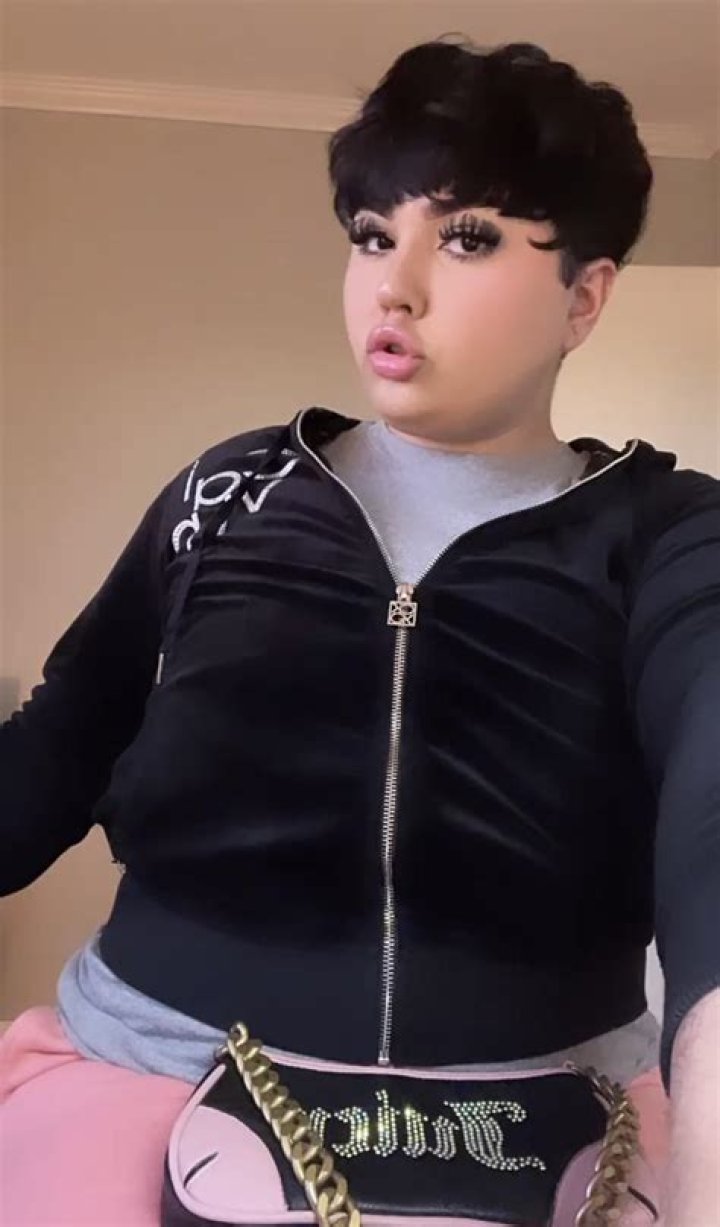
On the other side of the spectrum, a femboy is generally characterized by a male individual who embraces a mix of traditionally feminine aesthetics and behaviors. Femboys often challenge the traditional notions of masculinity and femininity, pushing back against societal expectations. This identity has gained popularity in various online communities, creating a space for self-expression and acceptance.
How Do Femboys Challenge Traditional Gender Norms?
Femboys subvert traditional gender norms by embracing femininity, often through fashion choices, mannerisms, and interests that society has typically deemed "feminine." This can include wearing makeup, adopting softer clothing styles, and expressing emotions openly. By doing so, femboys create a new narrative around masculinity that allows for a broader spectrum of gender identity and expression.
What Is the Cultural Impact of Femboys in Modern Society?
The rise of femboys has contributed to a more nuanced understanding of gender fluidity and expression in contemporary culture. With the increasing visibility of LGBTQ+ identities, femboys have carved out a niche that encourages acceptance and diversity. This cultural shift has inspired conversations around the flexibility of gender roles and the importance of individual self-expression.
How Do BBC and Femboy Represent Masculinity Differently?
The primary distinction between BBC and femboy lies in their representation of masculinity. While BBC often embodies a hyper-masculine archetype rooted in sexual prowess, femboys represent a softer, more fluid interpretation of masculinity that embraces vulnerability and emotional expression. This contrast highlights the broader spectrum of male identities and the evolving nature of masculinity in society.
Can BBC and Femboy Coexist in the LGBTQ+ Community?
Absolutely! The LGBTQ+ community is a diverse space where various identities can coexist and even intersect. While BBC and femboy may appear as contrasting identities, they both contribute to the rich tapestry of experiences within the community. Each identity brings its own set of narratives, challenges, and celebrations, fostering an environment of acceptance and understanding.
What Can We Learn from the BBC vs Femboy Discourse?
The discourse surrounding BBC vs femboy invites us to reflect on the complexities of identity, sexuality, and cultural expression. As society continues to evolve, embracing varied expressions of masculinity and femininity allows for greater acceptance and understanding of individual experiences. By examining these identities, we can foster a more inclusive dialogue that respects and honors the diversity within the LGBTQ+ community.
Conclusion: Embracing Diversity in Identity
The exploration of BBC vs femboy underscores the importance of understanding and appreciating the diverse expressions of identity within the LGBTQ+ community. As we navigate through these contrasting narratives, it becomes clear that both identities offer valuable insights into the evolving nature of masculinity, sexuality, and cultural representation. By embracing these differences, we can pave the way for a more inclusive society that celebrates individuality.
Exploring The Mystique Of The Blue Heron Dome
Unveiling The Life And Journey Of Jazminealeahh
7 Reasons Why I Love Her: A Heartfelt Tribute