In the realm of entertainment and storytelling, few creations captivate the imagination quite like the animatronic family. These enchanting figures blend artistry and technology, bringing to life intricate characters that can engage audiences in ways traditional storytelling methods cannot. From theme parks to television shows and more, animatronic families have become a staple in creating memorable experiences, drawing in both children and adults alike.
The concept of an animatronic family encompasses a variety of characters, each designed with attention to detail and a unique personality. This captivating blend of robotics and puppetry allows for dynamic interactions, making these characters feel almost alive. As technology continues to advance, the complexity and realism of animatronics have also evolved, allowing for even more impressive displays and performances.
Whether they’re part of a thrilling ride, a live performance, or an immersive experience, animatronic families have the power to transport audiences into fantastical realms. Their lifelike movements and voices can elicit laughter, joy, and even nostalgia, making them a beloved addition to various forms of entertainment. But what goes into creating these marvelous animatronic families, and what makes them so appealing to audiences worldwide?
What is an Animatronic Family?
An animatronic family consists of a group of robotic characters designed to mimic human-like movements and behaviors. These figures are commonly used in theme parks, movies, and attractions to create an engaging storytelling experience. Each character within the family is typically programmed to perform specific actions, interact with guests, or tell a story, adding depth to their personalities.
How Are Animatronic Families Created?
The creation of an animatronic family involves a meticulous process that combines artistry, engineering, and storytelling. Here’s a brief overview of the steps involved:
- Conceptualization: Designers brainstorm ideas and develop the backstory for each character.
- Design and Prototyping: Artists create detailed sketches and models to visualize the characters.
- Engineering: Engineers design the mechanical systems that will enable movement and sound.
- Programming: Software developers program the animatronics to perform specific actions and interact with audiences.
- Testing: The animatronics are tested to ensure smooth operation and lifelike performance.
Why Are Animatronic Families Popular?
Animatronic families have gained immense popularity for several reasons:
- Engagement: They offer a unique interactive experience for guests.
- Nostalgia: Many people have fond memories of animatronic characters from their childhood.
- Versatility: Animatronics can be used in various settings, from theme parks to educational exhibits.
- Innovation: The advancements in technology continue to push the boundaries of what animatronics can achieve.
Who Are the Creators Behind Famous Animatronic Families?
Numerous talented artists and engineers have contributed to the development of renowned animatronic families. One notable figure is Walt Disney, whose vision for immersive storytelling led to the establishment of iconic animatronic attractions, such as the Enchanted Tiki Room and the Haunted Mansion.
What Are Some Iconic Animatronic Families in Entertainment?
Several animatronic families have left a lasting impact on audiences:
- The Country Bears: A classic Disney attraction featuring a family of singing bears.
- Walt Disney’s Enchanted Tiki Room: A vibrant tropical paradise with talking birds and tiki figures.
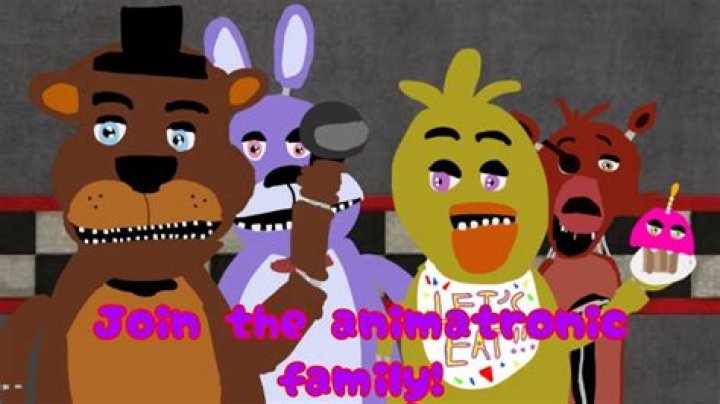
- Five Nights at Freddy’s: A horror-themed franchise featuring animatronic characters in a creepy setting.
Can Animatronic Families Be Used for Education?
Absolutely! Animatronic families can be powerful tools for education. They can bring historical figures, animals, and various cultural narratives to life, making learning more engaging and enjoyable for students. Museums and educational institutions have begun to utilize animatronics to create interactive exhibits that encourage exploration and curiosity.
What Challenges Do Creators Face When Designing Animatronic Families?
Designing animatronic families is not without its challenges. Some common obstacles include:
- Technical Limitations: Creating lifelike movements and interactions requires sophisticated technology.
- Budget Constraints: High-quality animatronics can be expensive to produce and maintain.
- Audience Expectations: Creators must meet the growing expectations of audiences for more realistic and engaging experiences.
What Is the Future of Animatronic Families?
The future of animatronic families looks promising as technology continues to advance. With developments in artificial intelligence and robotics, animatronics are becoming more lifelike and capable of complex interactions. This opens up new possibilities for storytelling and entertainment, making animatronic families even more integral to the experiences audiences cherish.
Conclusion: Why Do We Love Animatronic Families?
Animatronic families hold a special place in the hearts of many, blending nostalgia with innovation. They transport us to magical worlds where imagination knows no bounds, allowing us to connect with characters that feel almost real. As we look to the future, the evolution of animatronic technology promises to bring even more enchanting experiences to life, ensuring that these captivating families remain a beloved part of our entertainment landscape.
Embracing The Essence Of Summerskye: A Journey Through Beauty And Inspiration
**The Journey Of Loc Extensions After A Year**
Unraveling The Caffeine Mystery: Which Soda Has The Most Caffeine?